Texas License to Carry vs permitless carry: the 2026 guide
Since September 2021 most adult Texans can carry a handgun without a license, and many assume the License to Carry is now pointless. It is not; it still does several things permitless carry cannot. This guide compares the two, explains who qualifies for each, and walks through getting the LTC from the Texas Department of Public Safety. It is general information as of September 2026 drawn from Texas Penal Code chapter 46, Government Code chapter 411 and DPS publications; it is not legal advice. We are an independent online store, not affiliated with CZ-USA, and every handgun we sell ships to your Texas dealer.
Permitless carry: the basics
House Bill 1927 allows a person 21 or older who is not prohibited from possessing a firearm to carry a handgun in public, concealed or openly in a holster, without a license. It applies to residents and visitors. The disqualifications mirror federal law plus Texas additions: felony convictions, certain misdemeanor convictions within five years such as assault causing bodily injury and deadly conduct, family-violence convictions, active protective orders, and being intoxicated while carrying. Anyone under 21 may not carry under the permitless rule.
What the LTC adds
- Reciprocity. The LTC is honored in more than 35 states; permitless carry travels only to states that also allow it. If you drive to Colorado, New Mexico or the East Coast, the LTC matters.
- NICS alternative. At a dealer, an LTC holder skips the FBI background check, which speeds up pickup and avoids delays.
- Places. A few locations bar permitless carriers but admit LTC holders, and a 30.05 sign, which is enough to exclude a permitless carrier, does not apply to a license holder; the business must post 30.06 or 30.07 to exclude them.
- Legal position. Carrying with a license is a defense in some situations where a permitless carrier would be charged, and it demonstrates training and a clean record.
- Age. Active military and some veterans can hold an LTC at 18.
Who qualifies for the LTC
Texas residents (and non-residents under certain conditions) who are 21 or older, or 18 with qualifying military service; not a felon or under indictment; no Class A or B misdemeanor conviction in the past five years; not chemically dependent or of unsound mind as defined in law; not delinquent in child support or taxes; not subject to a protective order; and not a prohibited person under federal law. DPS lists the full criteria in Government Code 411.172.
The class
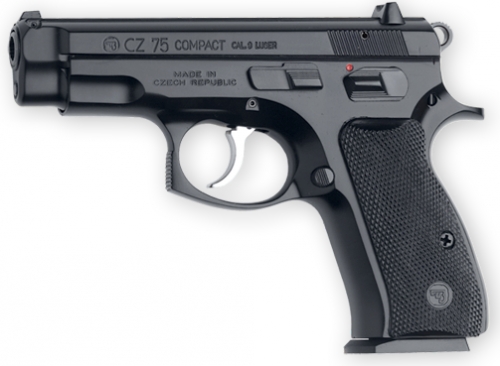
A DPS-certified instructor teaches a course of four to six hours covering laws on carry, use of force and non-violent dispute resolution, plus a shooting proficiency test of 50 rounds at 3, 7 and 15 yards. Classes are offered across Texas, often at ranges, and cost on the order of $60 to $150. The online portion may be taken remotely, but the proficiency test must be done in person. Bring your own handgun; a CZ P-10 or 75 is a comfortable gun for the test.
The application
- Complete the online application at the DPS LTC portal.
- Pay the fee. DPS reduced the standard fee to $40 in 2017; seniors, veterans, peace officers and some others pay less or nothing.
- Schedule fingerprinting through DPS's vendor.
- Submit the class certificate (form LTC-100) online.
- Wait. DPS must act within 60 days of a complete application; most licenses arrive sooner.
Renewal
An initial LTC is valid until your birthday four to five years out; renewals last five years, cost $40 and no longer require a class, only the online renewal and, in some cases, new fingerprints.
Where neither lets you carry
Schools and school buses, polling places, courts, racetracks, secured airport areas, sporting events, bars with a red 51% sign, correctional facilities, hospitals and nursing homes and amusement parks with proper notice, and government meetings. Federal buildings and post offices are off limits under federal law. Private businesses may post 30.05, 30.06 and 30.07 signs; read them. Employers may bar carry at work but generally not in a locked personal vehicle.
Vehicles
Either way, a handgun may ride in your vehicle. Open carry in a vehicle requires a holster. If a peace officer asks whether you are armed, Texas no longer requires an LTC holder to volunteer the license, but you must produce it if asked to identify yourself and asked about it, and answering truthfully is the sensible course.
Interaction with buying
When you order from us, the pistol goes to your Texas dealer. An LTC holder shows the license and skips NICS; a permitless carrier completes the normal check. Neither affects what you may buy: Texas has no permit to purchase, no wait and no magazine limits, as the Texas gun law guide explains.
Choosing a carry CZ
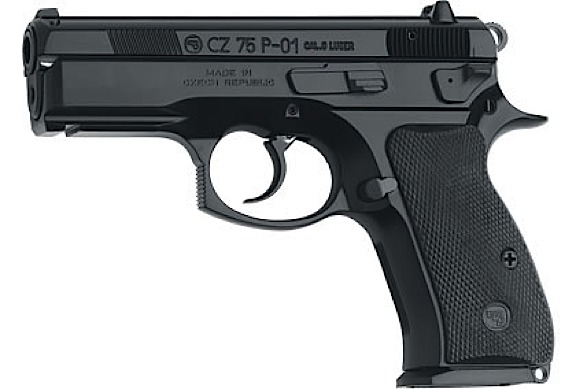
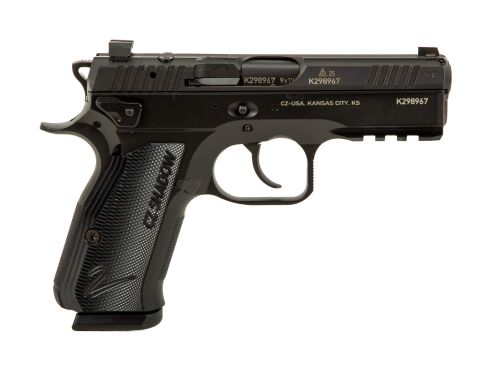
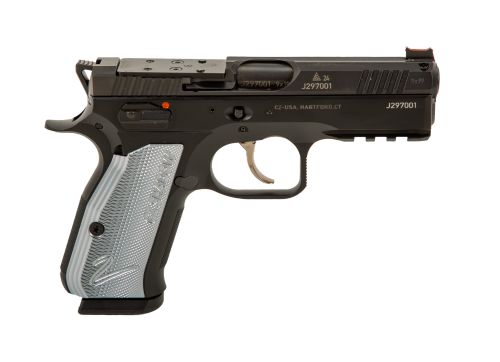
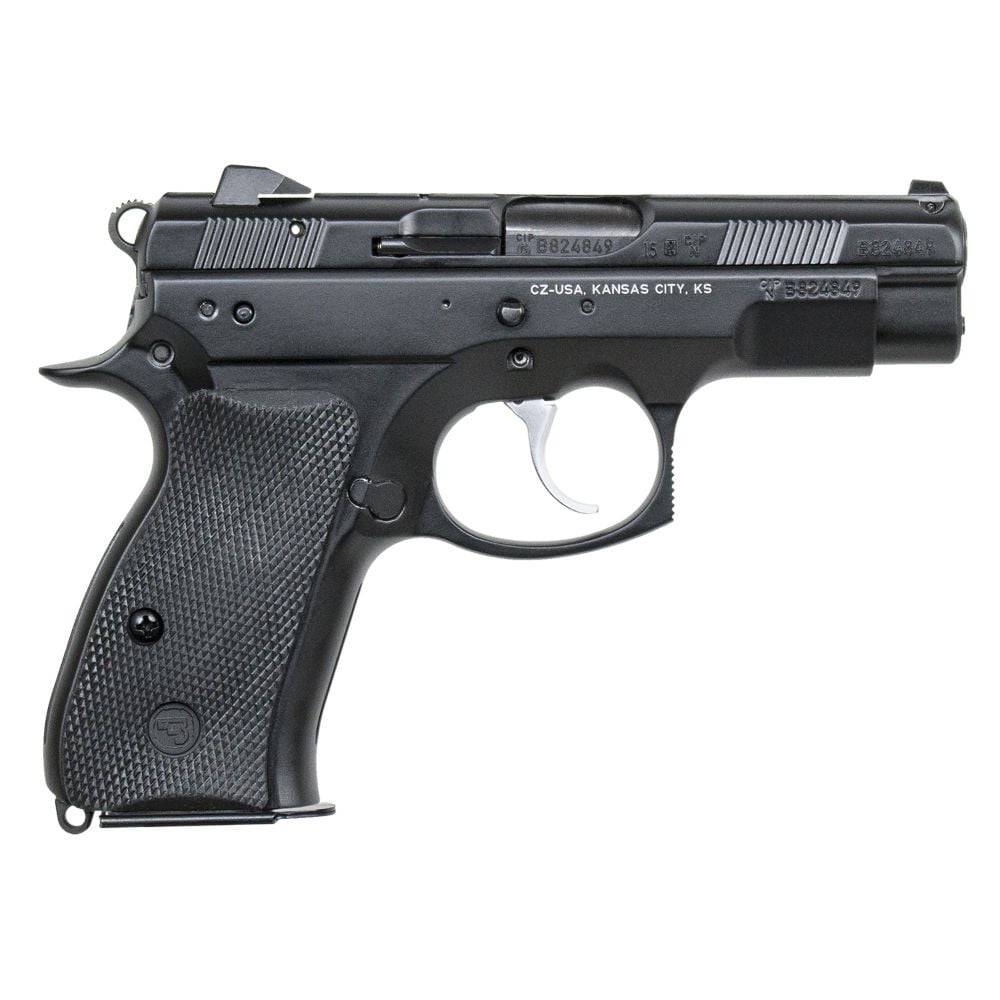
The P-10 C and P-10 S are the common carry CZs, the P-01 the choice for people who want a hammer, and the Shadow 2 Compact the newest option; the CZ 75 vs P-10 guide compares them. Whichever you carry, a holster that covers the trigger and a stiff belt are the equipment that matter, and the LTC class is a good place to try both.
The decision
If you never leave Texas, rarely buy guns and carry only where a 30.05 sign is not posted, permitless carry is enough. If you travel, buy regularly or want the widest set of places and the strongest legal footing, the LTC is worth a Saturday and $40. Many Texans hold the license precisely because it costs so little. Our 22 Texas city pages list the local pickup details, and the catalog has P-10s and all handguns in stock.
General information, not legal advice. Current as of September 2026. Laws change; check the official source before you act.